Why Your Child Wants to Hear the Same Book Every Single Night (And Why That's Actually Genius)
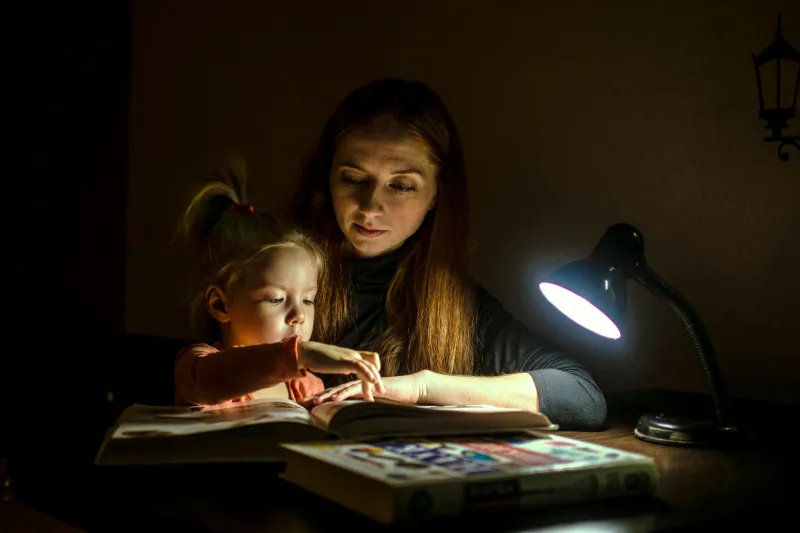
You know the drill. You've just finished reading Goodnight Moon for the fourth time this week — maybe the fourth time tonight — and your four-year-old is already flipping back to page one. You're exhausted. They are not. And somehow, impossibly, they look even more delighted than they did during the first read.
Before you quietly slide a different book off the shelf and hope they don't notice, here's something worth knowing: that obsessive rereading isn't a quirk. It's not stubbornness. It's actually one of the most powerful things a young brain can do. And the books that trigger it? They're not accidents. They're masterpieces of craft.
Let's talk about what's really going on.
The Books That Get Stuck in Little Minds
Think about the picture books that have survived decades — even generations — of tiny, sticky-fingered readers. Goodnight Moon. The Very Hungry Caterpillar. Where the Wild Things Are. Chicka Chicka Boom Boom. Green Eggs and Ham. These titles aren't just popular. They're ritual. Families pass them down. Teachers keep worn copies on classroom shelves for years. Something in them locks into the human brain at a very early age and simply does not let go.
So what's the secret?
Spoiler: it's not one thing. It's a whole quiet language — a set of storytelling tools working together so seamlessly that most readers (young or old) never consciously notice them. But once you see them, you can't unsee them.
The Power of the Pattern
One of the biggest ingredients in a reread-worthy picture book is repetitive structure. Not boring repetition — rhythmic, purposeful repetition that a child's brain finds deeply satisfying.
Take The Very Hungry Caterpillar by Eric Carle. The caterpillar eats through one apple, then two pears, then three plums — the pattern is so reliable that kids start predicting what comes next before the page even turns. That moment of "I knew it!" is a genuine cognitive reward. It lights up the same part of the brain that enjoys solving a puzzle.
"Young children are pattern-seeking creatures," says first-grade teacher Marisol Reyes, who has spent 12 years reading aloud in her classroom in San Antonio, Texas. "When a book gives them a pattern they can follow and then predict, they feel competent. They feel smart. And they want to feel that again."
That's why Chicka Chicka Boom Boom — with its bouncy, almost musical accumulation of letters climbing a coconut tree — becomes a chant kids know by heart within a few reads. The repetition isn't lazy writing. It's an invitation to participate.
Emotion That Hits Right in the Chest
Pattern alone isn't enough, though. Plenty of repetitive books fade into obscurity. The ones that stick around have something else: emotional truth that resonates even before a child has the words to describe it.
Where the Wild Things Are by Maurice Sendak is a perfect case study. On the surface, it's about a kid in a wolf costume sailing to a land of monsters. Underneath, it's about anger, longing, the fear of being unloved, and the comfort of coming home. Max's journey out into chaos and back again mirrors something children feel but rarely get to see reflected back at them so honestly.
"Kids don't always have language for big emotions," explains school librarian Dana Cho from Portland, Oregon. "But they recognize them. When a book shows a character feeling something they've felt — even in a fantastical way — it creates this deep connection. They go back to it because it's validating something real inside them."
This is why Goodnight Moon works so beautifully for bedtime specifically. The slow, methodical saying-goodnight to every single object in the room mirrors the exact ritual a child's anxious, stalling brain wants to perform before sleep. The book doesn't just tell a story — it does something. It functions as a calming script.
The World That Feels Complete
Another quality the classics share is a sense of world-completeness. Every detail matters. Every spread rewards close looking.
In Goodnight Moon, there's a tiny mouse that appears on each page in a slightly different spot — most kids find it on their own, and it becomes their discovery. In The Very Hungry Caterpillar, the die-cut holes through the food feel physical and tactile in a way that pulls children into the story's reality. These aren't gimmicks. They're invitations to look deeper, which means every reread reveals something new even when the words stay the same.
"The best picture books have layers," says Reyes. "Kids come back because there's always something else to find. The text is the same, but they've changed, and suddenly they notice something they missed before."
What This Means for Young Writers
If you're a kid who loves to write — or an adult helping young writers find their footing — the picture book formula holds some serious lessons.
Start with a feeling, not a plot. The best picture books begin with an emotional core. What does your character want or fear more than anything? Build outward from there.
Give your reader a pattern to ride. Repetition with variation is your friend. Think about how your story's structure can invite readers to predict what happens next — and then gently surprise them.
Leave room to look. Even if you're writing prose rather than a picture book, the idea of hidden layers applies. Give your reader something to discover on a second pass. A detail that pays off later. A line that means something different once you know the ending.
Write to a real feeling. Don't write what you think kids want to hear. Write what's actually true about being a kid — the frustration, the wonder, the way a thunderstorm sounds at 2 a.m. when you're small. That honesty is what makes readers come back.
The Gift Hidden in the Repetition
Here's the final thing worth saying for every parent or caregiver who's read Green Eggs and Ham so many times they could recite it backward: that repetition is doing real work.
Research in early childhood literacy consistently shows that rereading familiar texts builds vocabulary, comprehension, and reading fluency in ways that reading new books alone cannot. When a child already knows what's coming, they can focus on how the language works — the rhythm, the rhyme, the specific word choices — rather than just processing the plot. They're doing close reading before they even know what that means.
So the next time your kid hands you the same worn book for the hundredth time, take a breath. Settle in. And maybe, this time, look for the mouse.
Want to try writing your own picture book? Check out our Writing Tips section for beginner-friendly guides on crafting stories for young readers.