When Kids Draw Their Stories First, Something Incredible Happens to Their Writing
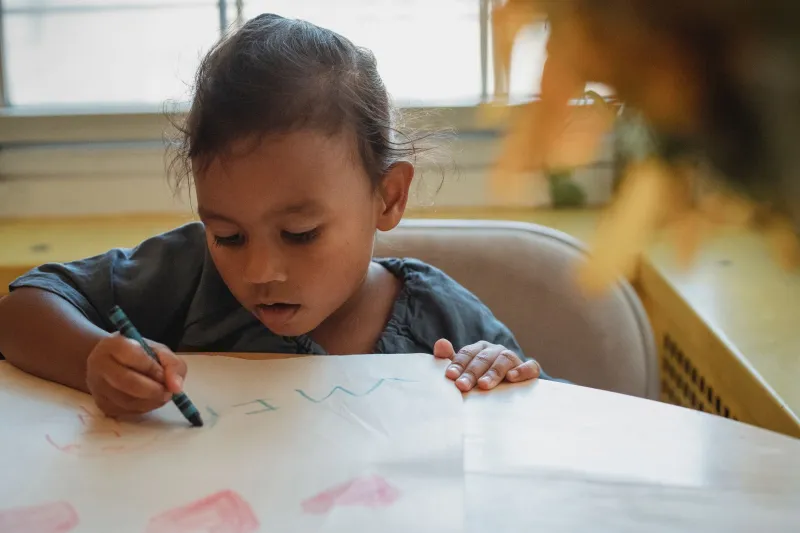
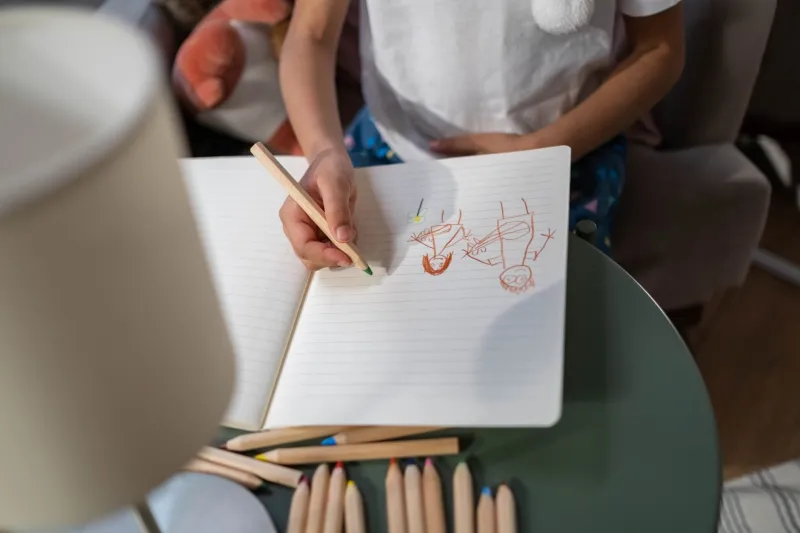
Picture this: a second grader sits at the kitchen table, pencil in hand, carefully sketching a dragon with lopsided wings and a slightly worried expression. She hasn't written a single word yet. But ask her what's happening in that picture, and she'll talk for ten minutes straight — the dragon's name, why it looks nervous, where it's flying, and what happens next.
That kid? She's already writing. She just doesn't know it yet.
For years, drawing and writing have been treated like two separate activities in classrooms and at home. Art time is art time. Writing time is writing time. But researchers, educators, and children's book illustrators are increasingly pointing to a different truth: for young learners, the two are deeply, almost inseparably connected — and kids who illustrate their own stories often become significantly stronger writers because of it.
Your Brain on Pictures (and Words)
Here's a little neuroscience that's genuinely cool. When children draw a scene from a story they're creating, they activate what researchers call the brain's "dual coding" system. Essentially, the brain processes the visual image and the verbal concept at the same time, building stronger, more detailed mental models of the story world.
Dr. Allan Paivio, the psychologist who first developed dual coding theory, found that information encoded both visually and verbally is far easier to remember and work with than information stored in just one format. For young writers, this means that sketching a character before writing about them helps the brain hold onto that character's details — their personality, their physical quirks, the way they might move through a scene — far more vividly than staring at a blank page ever could.
In plain terms: drawing makes the story real in a kid's mind before the words even show up.
Characters Who Actually Feel Like People
One of the trickiest parts of learning to write stories is making characters feel like real, three-dimensional people rather than flat names on a page. Professional illustrators know this challenge intimately.
Kidlit illustrator and author Marcus Kwame Anderson has talked in interviews about how the act of drawing a character forces you to make decisions you might otherwise skip. What does this person's face look like when they're scared? Do they stand tall or hunch their shoulders? What are they wearing, and what does that say about who they are?
When kids draw their own characters, they go through that exact same process — often without even realizing it. A child who sketches her villain might notice that she's drawn him with small, shifty eyes and a coat that's slightly too big for him. Suddenly, without being told to "add detail," she has a character with a look, a vibe, a whole backstory waiting to be written.
That's character development happening through a crayon.
Pacing, Panels, and the Secret Power of Sequencing
Here's something comic book artists have known forever: how you arrange images tells a story all on its own. When kids create a series of drawings that show the beginning, middle, and end of their tale — or even just a key scene broken into panels — they're learning narrative pacing in one of the most intuitive ways possible.
They start to feel when a moment needs to slow down (a close-up drawing of a character's face) versus when things should speed up (a quick sketch of a chase scene). They figure out what's important enough to show and what can be skipped. These are the same instincts that professional writers spend years developing.
Teachers in early elementary classrooms have long used "story maps" and picture sequencing for exactly this reason. But there's a difference between filling in a worksheet and creating your own illustrated story from scratch. The latter puts the child in the driver's seat, making real creative choices about what matters in their narrative.
Try This: The Sketch-First Method
Whether you're a parent, teacher, or a young writer reading this yourself, here are a few easy ways to bring drawing into the storytelling process:
1. Draw your character before you name them. Start with a sketch — any sketch, even a stick figure with personality. Give them an expression, an outfit, something they're holding. Then decide who they are. You might be surprised what the drawing tells you.
2. Map your story world visually. Before writing, draw a rough map or picture of where the story takes place. Is it a creepy old house? A school on the moon? A forest that goes on forever? Getting the setting down visually helps young writers describe it with much more confidence and detail.
3. Create a three-panel story strip. Just three boxes. Panel one: the problem starts. Panel two: things get complicated. Panel three: something changes. This is the skeleton of almost every great story ever told, and drawing it out makes the structure feel natural and achievable.
4. Illustrate the moment right before your story begins. This one is sneaky-good. Ask a young writer to draw the scene that happens just before their story opens. What were the characters doing? What was the world like before everything changed? This backstory drawing often unlocks a richness and depth in the actual writing that's hard to get any other way.
What Illustrators Want Young Writers to Know
Many beloved children's book creators — from Mo Willems to Jarrett J. Krosoczka — have spoken openly about how drawing and writing are, for them, the same creative act wearing different clothes. Mo Willems, who famously started his Pigeon books by sketching first, has described his process as thinking visually, then translating that into words and pictures together.
For kids who feel like "I'm not a writer" but love to draw, this is genuinely exciting news. You might already be telling stories. You might already have the instincts. The words are just one more layer waiting to be added.
And for kids who feel like "I'm not an artist" but love to write — it's worth knowing that your drawings don't have to be good. They just have to be yours. A wobbly sketch that only you understand is still doing the brain work. It's still building the story.
Let the Doodles Lead
At Story Sprout, we talk a lot about how stories grow — slowly, sometimes messily, from the smallest seeds of imagination. And honestly? Sometimes that seed is a drawing of a dragon with lopsided wings.
The next time a kid in your life reaches for a crayon before a pencil, maybe don't redirect them to the lined paper just yet. Let the doodle happen. Let the character take shape on the page. Let the story world get drawn before it gets written.
Because what looks like art time? It might just be the best writing lesson they ever get.