An Audience of One: The Sweet Magic of Kids Writing Stories for Their Siblings
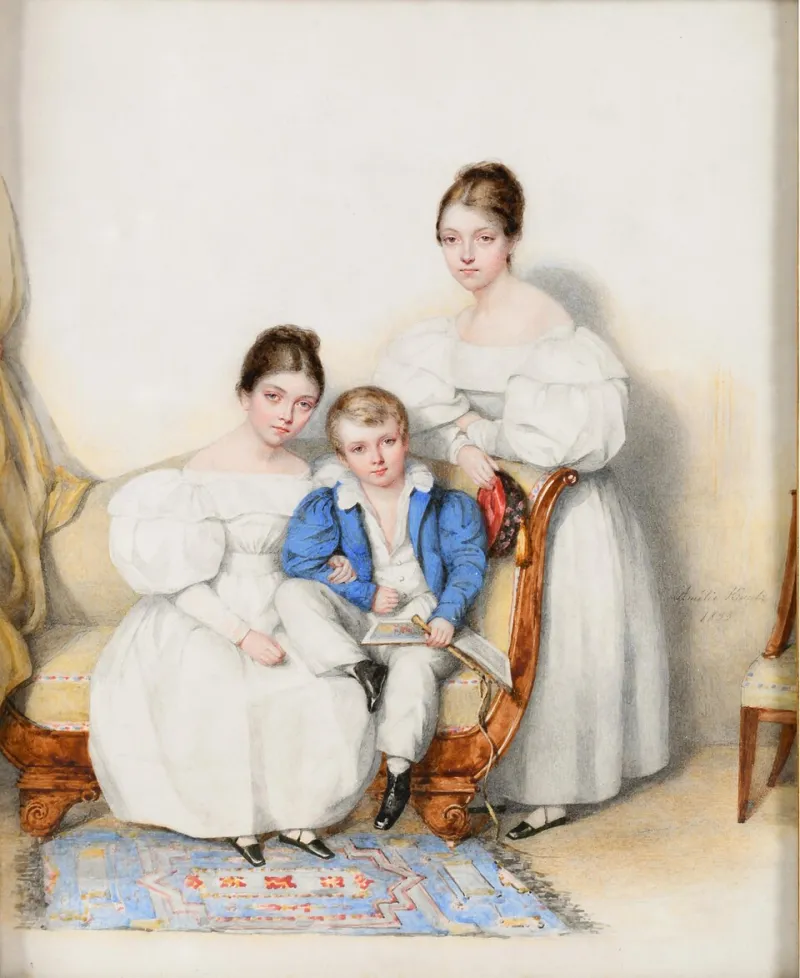
Photo: Amélie Kautz (Amélie de Lacépède), Public domain, via Wikimedia Commons
Ask a kid to write a story for school and you might get a groan. Ask that same kid to write a story for their little sister — the one who's obsessed with narwhals and insists every story needs at least one volcano — and suddenly the pencil is moving.
There's a name for this quiet phenomenon, and families all over the country are stumbling into it without realizing they've started a tradition: the story swap. An older kid writes an original tale for a younger sibling, cousin, or neighbor kid. The audience? Exactly one person. The impact? Bigger than most writing assignments could ever dream of being.
Why Writing for One Person Works So Well
Educators have a phrase for it: authentic audience. When kids know a real human will read (or hear) their words — someone whose favorite animal they know by heart, someone who will demand a sequel — the writing changes. It stops being an exercise and starts being a gift.
"I watched my daughter go from two-sentence stories to chapter-length adventures in a single summer," says Melissa Torres, a mom of three in Columbus, Ohio, whose ten-year-old writes weekly stories for her six-year-old brother. "She knows exactly what he loves. She knows he'll ask questions. She writes for him, not for a rubric."
That's the secret sauce. Writing for a sibling means the young author has to think like a writer thinks: Who is my reader? What will make them laugh? What do they already love, and how can I surprise them? Those are the questions professional writers ask every single day.
The Confidence Nobody Grades
There's no red pen waiting for a story written for a little brother. There's just a kid's reaction — gasps, giggles, maybe a demand to "read it again."
That kind of feedback loop is gold. It teaches young writers that their words have power to entertain, comfort, and connect. It also sneaks in empathy, because to write a story someone loves, you have to pay attention to them. Older siblings start noticing what their younger siblings care about. That's not just writing practice — that's relationship building.
Teachers notice it too. Kids who write at home for family members often show up to class with something instructors can't teach: a voice. They've already figured out that writing is talking to someone on paper.
How to Start a Story Swap in Your House
The beauty of this tradition is that it requires almost nothing — just paper, a pencil, and a willing listener. But a few ground rules help it stick:
- Let the younger kid be the "commissioner." They get to request the topic: a dragon who's afraid of the dark, a grandma who's secretly a spy. Requests make the story feel like a collaboration.
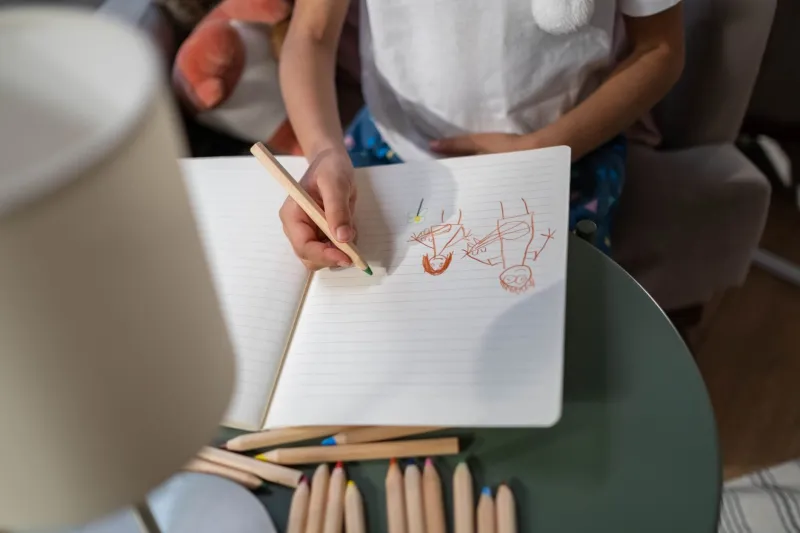
- Keep the length flexible. One page counts. So does one drawing with three sentences underneath.
- Make it an event. Read the story aloud at dinner or before bed. Applause is encouraged.
- Swap the roles sometimes. Little kids can dictate stories for big kids to write down — and then trade places the next week.
- Save everything. A folder or shoebox of family stories becomes a treasure chest you'll be glad you kept.
Prompts to Get the Pencil Moving
Need a spark? Try these family-tested story starters:
- The Pet Swap — Two siblings wake up having switched places with each other's pets.
- The Backyard Portal — The treehouse, garden shed, or slide turns out to be a doorway to somewhere strange.
- The Tiny Hero — A story starring the younger sibling as the hero, but shrunk down to the size of a LEGO minifig.
- The Lost Sock Mystery — Where do all the missing socks go? One kid is about to find out.
- The Sequel Request — Retell the younger sibling's favorite movie or book, but change one big thing. What if the villain won? What if there were two dragons?
That last one is sneaky-good practice, by the way. Retelling and remixing familiar stories is one of the oldest ways writers learn their craft.
More Than a Writing Exercise
Here's what sticks with parents who've watched this tradition take root: the stories matter less than what grows around them. Kids who write for each other talk to each other more. They negotiate plots at the breakfast table. They argue about whether the volcano should erupt in chapter two or chapter three — and somehow, that argument is a gift too.
So hand your older kid a notebook and your younger kid a request slip. Tell them the family's next great story is due Friday. You might be surprised who blooms first: the writer, the listener, or both at once.