From Board Books to Bookshelves: Building a Home Library That Grows Up With Your Kid
There's something quietly magical about a kid who disappears into a corner of the house and resurfaces an hour later, eyes wide, still half-inside whatever world they just left. A home library — even a small one — is the thing that makes that happen on repeat. Not a school library with a return deadline, not a bookstore with a price tag on every spine. Your library. The one that belongs to your family.
But building one that actually works — that kids return to again and again as they grow — takes a little more thought than just stacking books on a shelf. Here's how to do it right, from the very first board book all the way to that dog-eared YA novel they'll read three times in a row at age fourteen.
Start With the Shelves (Seriously, This Part Matters)
Before you even think about titles, think about the space. A home library doesn't have to mean a dedicated room with a rolling ladder (though, honestly, dream big). It can be a single low bookshelf in a kid's bedroom, a built-in nook in the living room, or even a trio of floating shelves above a reading chair.
The key is accessibility. For younger kids — we're talking toddlers and early readers — books need to be at eye level and easy to grab. Those adorable forward-facing shelves you see all over Pinterest aren't just aesthetic; they actually work. When a kid can see the cover, they're far more likely to pick the book up. As kids get older and their collections grow, you can transition to more traditional spine-out shelving, but keep some forward-facing spots for new arrivals or current favorites.
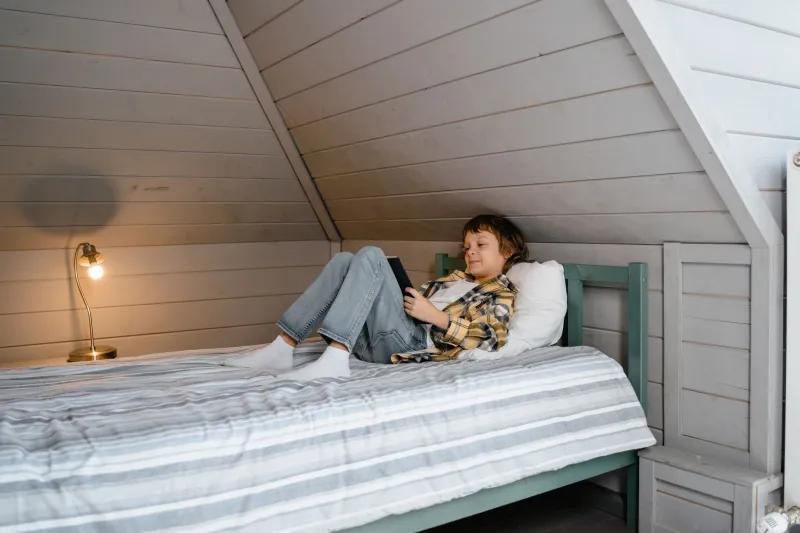
Lighting matters too. A dim corner doesn't invite anyone to curl up and read. A small lamp or a well-placed reading light can transform an ordinary shelf into a destination.
Build in Phases, Not All at Once
One of the biggest mistakes families make is trying to stock a library all at once. The result? A lot of books that feel chosen for the child rather than by them — and a collection that goes untouched.
Instead, think of your home library in stages that mirror your child's reading life.
Ages 0–4: The Tactile Years Board books, cloth books, and chunky picture books are the foundation. Don't stress about building a huge collection here — little ones want repetition, not variety. A dozen beloved titles that get read over and over will serve a toddler better than fifty they never open. Focus on rhythm, color, and simple storytelling. Classics like Goodnight Moon and The Very Hungry Caterpillar earn their legendary status for a reason.
Ages 4–8: The Picture Book Golden Age This is when a home library really starts to bloom. Picture books at this stage can be funny, weird, emotional, adventurous — and they should be all of those things. Mix classic authors like Maurice Sendak and Ezra Jack Keats with newer voices. Look for books that reflect your child's world and books that show them worlds completely different from their own. Both matter.
Ages 7–12: The Chapter Book Leap This transition is a big one, and it's where a lot of kids either fall in love with reading or start to drift from it. A good home library cushions the jump. Keep some longer picture books and graphic novels on the shelf — these aren't "baby books," they're legitimate formats that even adult readers enjoy. Pair them with early chapter books (Magic Tree House, Diary of a Wimpy Kid, Junie B. Jones) and then gradually introduce middle-grade novels as your kid's stamina grows.
Ages 12 and up: The YA Transition Middle school readers are ready for stories with more complexity, moral ambiguity, and emotional depth. This is the time to start letting your kid take the lead on what gets added to the shelf. More on that in a minute.
Organize for Discovery, Not Just Order
Alphabetical by author is great for a school library. For a home library? It can actually work against you. When everything is perfectly ordered, books stop feeling like surprises — they become inventory.
Try organizing by mood or vibe instead. A shelf for "adventures," one for "books that made me cry," one for "weird and wonderful." You can use colorful washi tape labels or small handwritten signs. Let the categories be a little quirky and personal. The goal isn't efficiency — it's the thrill of browsing.
Another fun trick: create a "what to read next" basket or small crate near the main reading spot. Rotate books in and out of it based on the season, a theme you're exploring, or just whatever your kid seems to be into that week. It keeps the library feeling alive and ever-changing.
Mix Up the Formats
A home library that's only prose novels is leaving a lot of reading joy on the table. Graphic novels, poetry collections, joke books, illustrated nonfiction, magazines — all of these count, and all of them serve different reading moods and skill sets.
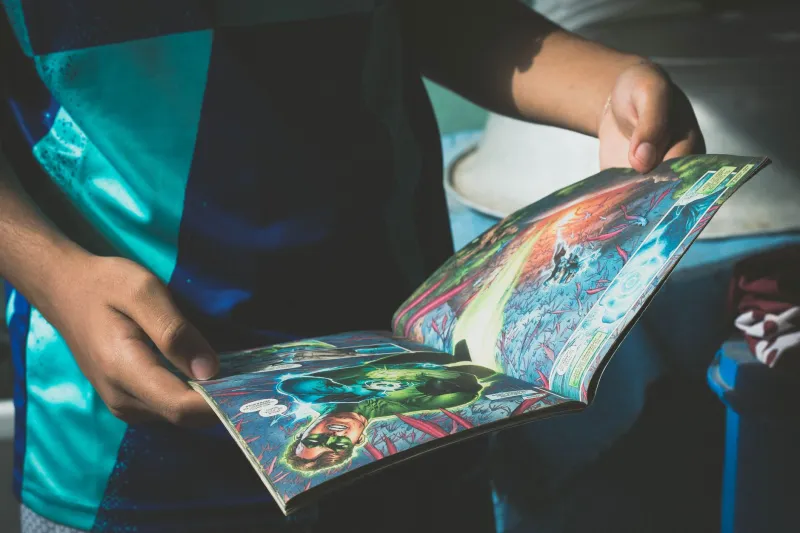
Graphic novels in particular are having a massive moment in children's literature right now, and for good reason. Series like Dog Man, Smile, and New Kid have turned countless reluctant readers into enthusiastic ones. Don't let anyone tell you those books "don't count." They absolutely do.
Nonfiction is another underrated category in home libraries. Kids who are obsessed with sharks, space, ancient Egypt, or soccer don't always want to read fiction — but they will devour a great nonfiction book on their favorite subject. Mix some in.
Let Your Kid Be the Librarian
Here's the part that makes the biggest difference: give your child real ownership over the collection.
That means letting them pick books at the library book sale even if you'd never choose those titles yourself. It means not quietly donating the books they love that you find annoying. It means asking them — genuinely asking — what they want to read next, and then helping them find it.
Some families create a little tradition around this. A monthly "book budget" that kids can spend however they want at a used bookstore. A birthday shelf where new books get added every year. A summer reading swap with cousins or neighbors that brings new titles into the rotation.
When kids feel like the library is theirs, they treat it differently. They browse it. They revisit it. They recommend books from it to their friends. That's the whole point.
The Library That Keeps Growing
A home library is never really finished — and that's exactly what makes it special. It's a living record of who your child has been and who they're becoming. The battered board book from toddlerhood sitting next to the fantasy novel they're obsessed with right now tells a story all on its own.
Start small. Add thoughtfully. Let your kid lead. And watch what blooms.