Why Kids Who Read a Lot Are Also Really Good Friends
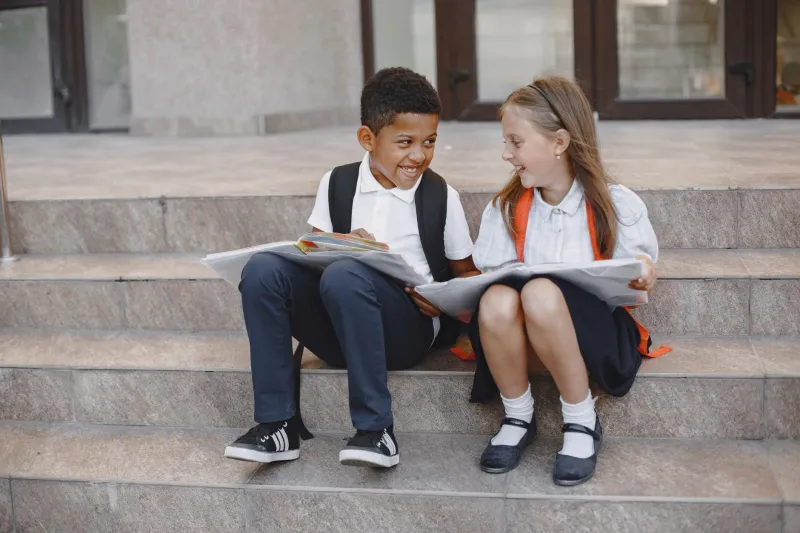
Picture this: two kids on the playground, mid-argument over whose turn it is on the swings. One of them pauses, takes a breath, and says, "Okay, but how do you think I feel right now?" The other kid actually stops and thinks about it.
That little moment of social magic doesn't happen by accident. And according to child psychologists and classroom educators, it might have something to do with what these kids are reading at home.
Stories Are Basically Empathy Simulators
When a child opens a book and steps into a character's world, something kind of amazing happens in their brain. They're not just following a plot — they're feeling what the character feels. They get nervous when the character is nervous. They root for them. They hurt when things go wrong.
Dr. Raymond Mar, a psychology researcher who has spent years studying how fiction affects social cognition, has found that people who read more narrative fiction tend to score higher on tests measuring empathy and social understanding. While much of his research focuses on adults, educators who work with kids see the same patterns playing out in classrooms every day.
"When children read about characters who are different from them — different backgrounds, different struggles, different ways of seeing the world — they practice perspective-taking in a way that feels totally natural," says one elementary school counselor based in Portland, Oregon. "They're not being lectured. They're just living inside someone else's story for a while."
That experience, repeated over hundreds of books and thousands of pages, adds up.
What Characters Actually Teach Kids About Conflict
Here's the thing about fictional friendships: they're messy. Characters fight, misunderstand each other, say the wrong thing, and have to figure out how to repair things. Books don't skip the hard parts the way adults sometimes do when talking to kids about social situations.
Think about Junie B. Jones navigating the complicated social politics of kindergarten. Or Auggie Pullman in Wonder, whose whole story is about how people treat someone who looks different — and what real friendship actually requires. Or the friendship between Fern and Wilbur in Charlotte's Web, which teaches kids something profound about loyalty and loss before they even fully understand those words.
These stories give kids a kind of emotional vocabulary. They've seen what it looks like when a friend feels left out. They've felt the unfairness of a misunderstanding that spirals out of control. And because they experienced it through fiction first — at a safe distance — they're better equipped to recognize it when it shows up in real life.
"Books give kids a rehearsal space," explains a child development specialist who works with school districts across the Midwest. "When a situation comes up with a real friend, they often have a reference point. They've seen a version of this before."
The Quiet Ones Who Are Actually Paying Attention
It's worth pointing out something that surprises a lot of parents: the kids who seem shy or introverted, the ones who'd rather curl up with a book than dominate a birthday party, are often the ones their peers describe as the best listeners.
Reading trains a kind of focused attention that's genuinely rare. When you're deep in a book, you're tracking multiple characters, their motivations, their relationships, their histories. You're holding a lot in your head at once. That same skill — paying close attention to people, noticing details, holding complexity — turns out to be incredibly useful in friendships.
Kids who read a lot often ask better questions. They notice when something seems off with a friend. They're less likely to assume they know the whole story before they've heard it.
When the Book Becomes a Bridge
One of the most underrated benefits of reading is how it connects kids to each other. Shared books become shared language. If your kid and their best friend both devoured the Percy Jackson series, they have an entire world of references, inside jokes, and meaningful conversations built around those stories.
Librarians and teachers across the country have watched this happen in real time. A classroom read-aloud creates a common emotional experience. A school book club gives kids a low-pressure reason to talk about feelings — because technically, they're talking about the character's feelings, not their own. That slight distance makes it easier.
"I've seen kids have conversations about loneliness, about feeling like an outsider, about what it means to be a good friend — all because a book opened the door," says a middle school librarian in Austin, Texas. "They wouldn't have gone there on their own. But the story gave them permission."
So What Can You Actually Do With This?
You don't need to turn storytime into a therapy session. The beauty of this whole thing is that it works best when it's relaxed and fun. But here are a few small things that can make a real difference:
Talk about characters like they're real people. After finishing a chapter, try asking, "Why do you think she did that?" or "How do you think he felt when that happened?" These questions build the same muscles kids use when they're trying to understand a real friend.
Let your kid pick books about characters who are different from them. Stories featuring kids from different cultural backgrounds, kids with disabilities, kids dealing with family situations your child hasn't experienced — these are gold for building genuine empathy.
Don't rush past the hard parts. When a book gets to a conflict or a sad moment, resist the urge to skip ahead. Those are exactly the scenes that do the most work.
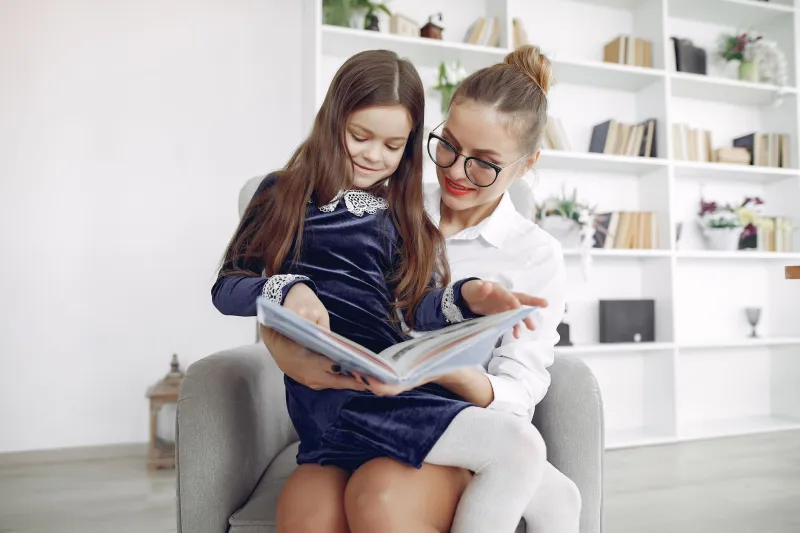
Read together, even when they can read alone. Shared reading creates shared experiences — and shared experiences are kind of the whole foundation of friendship.
The Long Game
None of this is instant. Reading doesn't flip a switch and suddenly produce a perfect, conflict-free friendship. Kids are still going to argue, misread situations, and say things they don't mean. That's just being a kid.
But over time, the kids who grow up with books tend to develop a kind of emotional fluency that serves them well — not just on the playground, but throughout their whole lives. They've spent years inside other people's heads. They know, in a deep and almost instinctive way, that everyone has a story you haven't heard yet.
And honestly? That's one of the most important things a person can know.